
Why Is My Air Conditioner Blowing Warm Air in North Texas?
If your air conditioner is blowing warm air in North Texas, the most common causes include an incorrect thermostat setting, a dirty air filter, restricted airflow, a tripped breaker, a dirty outdoor condenser, low refrigerant, or a failed AC component. Some problems have simple fixes, but refrigerant leaks, electrical failures, and compressor problems require professional AC repair.
At Texas AC Services, we understand that an air conditioner blowing warm air is more than an inconvenience during a North Texas summer. It can quickly make your home uncomfortable and put additional strain on your HVAC system. Our team provides professional AC repair, AC service, and HVAC maintenance designed to identify the actual source of cooling problems rather than relying on temporary fixes. With a focus on dependable workmanship and customer care, we help North Texas homeowners understand what is wrong with their system, what can be done about it, and how to reduce the risk of another breakdown.

Common Reasons Your AC Is Not Cooling in North Texas
Warm air from your vents does not automatically mean you need a new air conditioner. The problem may be as simple as a thermostat setting or clogged filter, or it could involve refrigerant, electrical components, or the compressor.
North Texas heat makes prompt diagnosis especially important. National Weather Service climate normals for Dallas-Fort Worth show normal high temperatures of 95.6°F in July and 95.8°F in August. When an AC system struggles during conditions like these, delaying repairs can mean longer periods without adequate cooling.
Is the Thermostat Causing My AC to Blow Warm Air?
An incorrect thermostat setting is one of the first things to check when an air conditioner stops cooling. Make sure the thermostat is set to “cool” and that the temperature setting is below the current indoor temperature.
Also check the fan setting. If the fan is set to “on,” the blower may continue circulating air even when the outdoor AC unit is not actively cooling. Switching the fan setting to “auto” allows it to operate with the normal cooling cycle.
If the thermostat settings are correct but the air coming from your vents remains warm, the problem is likely elsewhere in the HVAC system.
Can a Dirty Air Filter Make an Air Conditioner Blow Warm Air?
Yes. A heavily clogged air filter can restrict airflow and reduce your AC system’s ability to cool your home effectively. The U.S. Department of Energy notes that dirty filters reduce airflow and make HVAC equipment work harder.
Check your filter if you notice weak airflow, longer cooling cycles, or rooms that are not reaching the thermostat setting.
A homeowner can usually replace a dirty filter without professional assistance. However, if replacing it does not restore cooling, schedule an AC service appointment. Restricted airflow can also result from problems such as:
- Blocked or closed supply vents
- Dirty evaporator coils
- Blower motor problems
- Ductwork restrictions
- Excessive dirt or debris inside the system
Regular air conditioner maintenance can help catch airflow issues before they contribute to a cooling failure.
Why Is My Outside AC Unit Running but the Air Is Warm?
If the outdoor unit appears to be running but your home is not getting cool, the system may have a dirty condenser coil, refrigerant problem, failing compressor, or another mechanical issue.
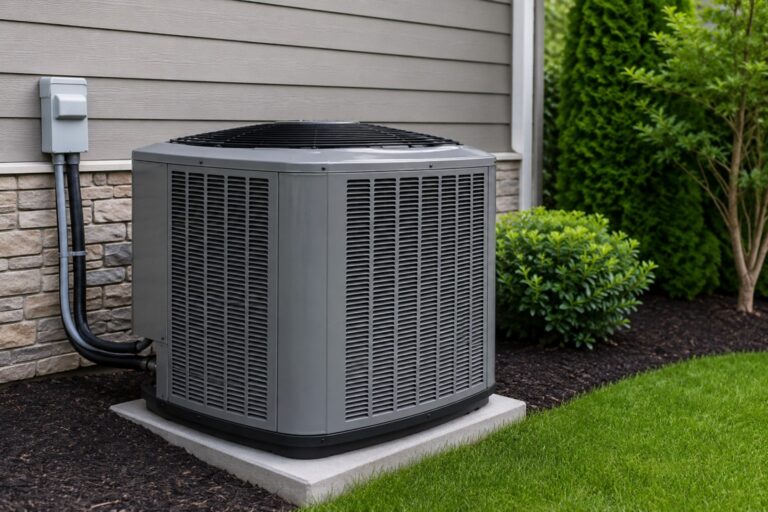
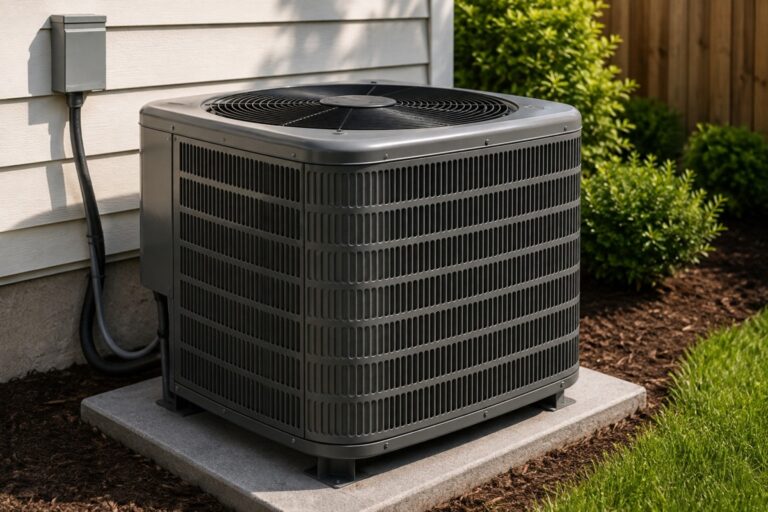
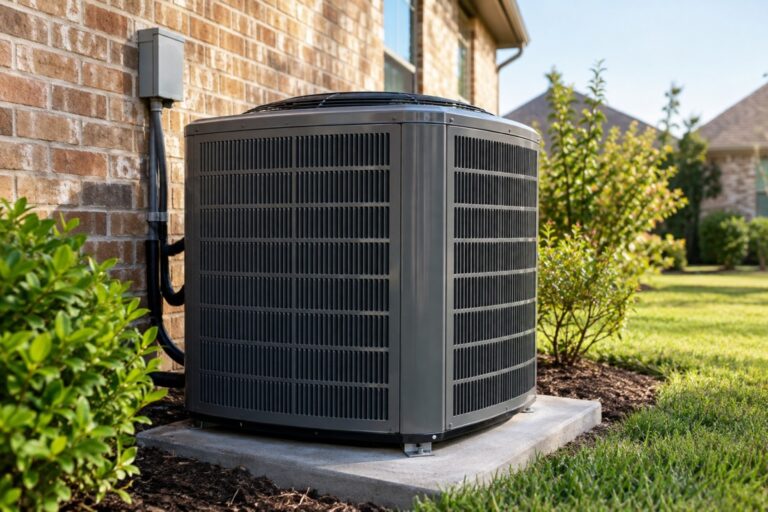
Your outdoor condenser has to release heat collected from inside the house. Grass clippings, leaves, dirt, and other debris around the condenser can interfere with that process.
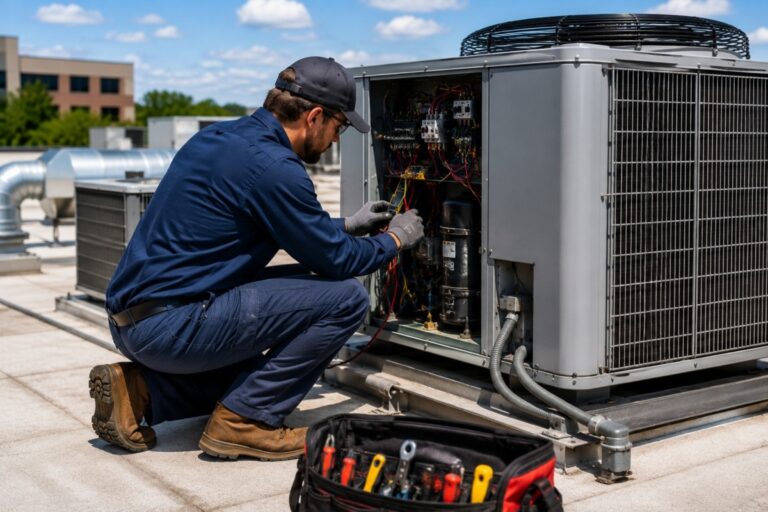
Homeowners can safely keep the immediate area around the outdoor unit clear of obvious debris. Internal cleaning, electrical testing, refrigerant work, and component repairs should be left to a qualified HVAC technician.
If the outdoor unit is not running at all, check your electrical panel for a tripped breaker. A breaker that trips again after being reset can indicate an electrical or equipment problem. Do not repeatedly reset it. Arrange for professional air conditioning repair instead.
Does Warm Air Mean My AC Is Low on Refrigerant?
Low refrigerant can cause an air conditioner to lose cooling capacity, but an HVAC technician should determine why the refrigerant level is low before adding more.
Residential air conditioners use a closed refrigerant circuit. If refrigerant has escaped, there may be a leak that needs to be located and repaired.
The U.S. Environmental Protection Agency recommends that homeowners ask technicians to locate and repair refrigerant leaks rather than simply “topping off” leaking systems. According to the EPA, repairing leaks can improve system performance while helping homeowners avoid additional service calls and operating costs.
Refrigerant handling is also not a typical DIY project. EPA guidance states that Section 608 certification is required for technicians performing activities that involve adding or removing refrigerant from stationary AC equipment.
Possible signs of a refrigerant or refrigeration-cycle problem include poor cooling, unusually long run times, ice around portions of the system, or a noticeable decline in performance. These symptoms can have multiple causes, so professional diagnosis is important.
When Should I Call for AC Repair?
Call an HVAC professional when basic thermostat, filter, and breaker checks do not restore normal cooling, or whenever you notice signs of an electrical, refrigerant, or mechanical failure.
Schedule AC repair if:
- The AC continuously blows warm or room-temperature air
- The outdoor condenser will not turn on
- A circuit breaker repeatedly trips
- Ice forms on the indoor or outdoor AC components
- Airflow remains unusually weak after changing the filter
- The system runs for long periods without reaching the thermostat setting
- You hear unusual buzzing, grinding, or other mechanical sounds
- Cooling performance suddenly declines
Turning the system off may be appropriate if it is repeatedly tripping a breaker, making severe mechanical noises, or developing significant ice. Continuing to operate a malfunctioning system can make diagnosis and repair more complicated.
For North Texas homeowners, early service is particularly valuable during peak summer conditions, when a small cooling problem can quickly become a major comfort issue.
How Can You Prevent Your AC From Blowing Warm Air Again?
Routine HVAC maintenance is one of the most effective ways to identify developing problems before they turn into a loss of cooling.
A practical preventive routine includes:
- Check the air filter regularly. Replace it when dirty and follow the equipment manufacturer’s recommendations.
- Keep the outdoor condenser clear. Remove leaves, vegetation, and other obvious obstructions around the unit.
- Keep supply and return vents open. Blocking airflow can make it harder for your HVAC system to distribute conditioned air.
- Pay attention to changes in performance. Longer cycles, weak airflow, strange sounds, or rising indoor temperatures can provide early warning of a problem.
- Schedule professional HVAC maintenance. A technician can inspect components and operating conditions that homeowners cannot safely or accurately evaluate themselves.
Preventive AC maintenance is particularly useful in North Texas because cooling equipment operates heavily during long stretches of hot weather.
Frequently Asked Questions About an AC Blowing Warm Air
Why is my AC running but not cooling my house?
Your AC may be running without cooling because of restricted airflow, a dirty filter or coil, a refrigerant problem, thermostat issues, or a failed mechanical or electrical component. Start with the thermostat and filter, then schedule professional HVAC service if cooling does not return.
Should I turn off my AC if it is blowing warm air?
If the system continues blowing warm air after you verify the thermostat settings and filter, turning it off can be appropriate while arranging service. Shut it down promptly if you notice ice, repeated breaker trips, burning odors, or severe mechanical noises.
Can I fix an air conditioner that is blowing warm air myself?
You can safely check the thermostat, replace a dirty filter, verify that vents are open, inspect the breaker, and clear obvious debris around the outdoor unit. Refrigerant, electrical, compressor, and internal component repairs should be handled by a trained HVAC professional.
How often should I have my AC serviced in North Texas?
A professional inspection before periods of heavy cooling demand can help identify dirty components, airflow issues, worn parts, and other developing problems. Between professional visits, homeowners should continue checking filters and watching for changes in cooling performance.
Get Reliable AC Repair in North Texas
An air conditioner blowing warm air can have several causes, so getting the right diagnosis matters. Whether the problem is restricted airflow, an electrical failure, low refrigerant, or another HVAC issue, Texas AC Services can help restore dependable cooling to your North Texas home. Contact Texas AC Services today to schedule professional AC repair.