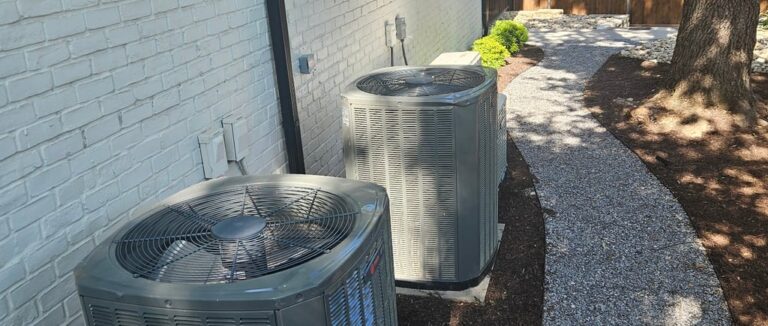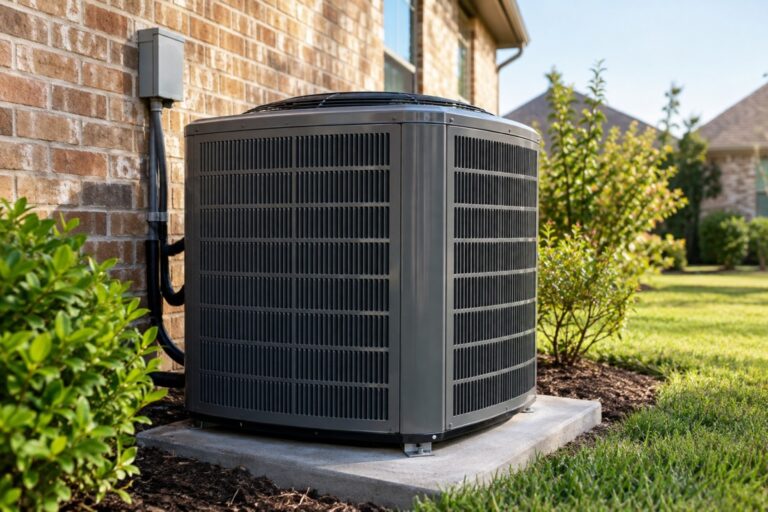
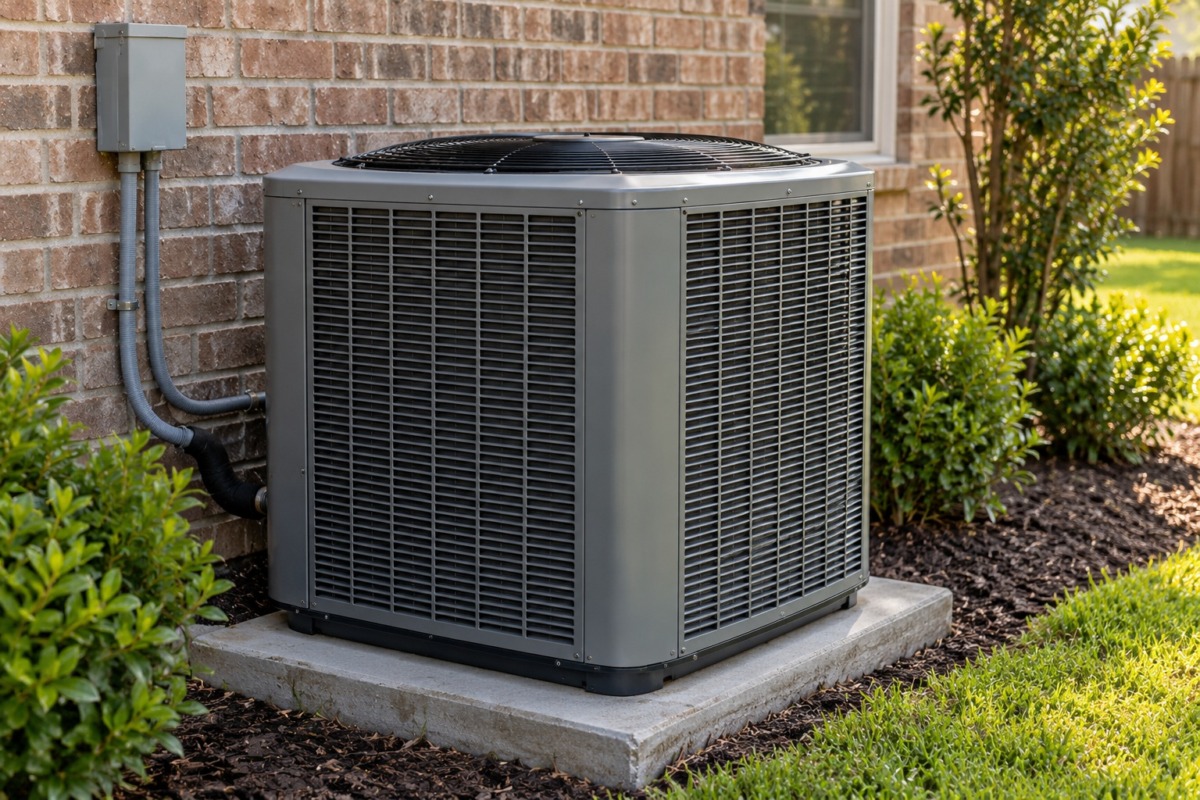
Should I Repair or Replace My HVAC System in North Texas?
Repair your HVAC system if it is relatively young, has been reliable, and needs a minor or isolated fix. Replacement is usually worth considering when the system is more than 10 years old, requires frequent HVAC repair, struggles to maintain comfort, or has rising operating costs. In North Texas, heavy summer cooling demands make reliability and efficiency especially important.
Texas AC Services helps North Texas homeowners make that decision based on the actual condition of their equipment, not a one-size-fits-all rule. A professional HVAC service evaluation can identify the failed component, assess the rest of the system, and compare the value of repair with the long-term benefits of HVAC replacement. Whether the right solution is air conditioner repair, heating repair, preventive HVAC maintenance, or a complete HVAC installation, the goal is the same: restore dependable comfort without spending money unnecessarily. That practical approach is particularly important in North Texas, where cooling systems face months of demanding summer operation.
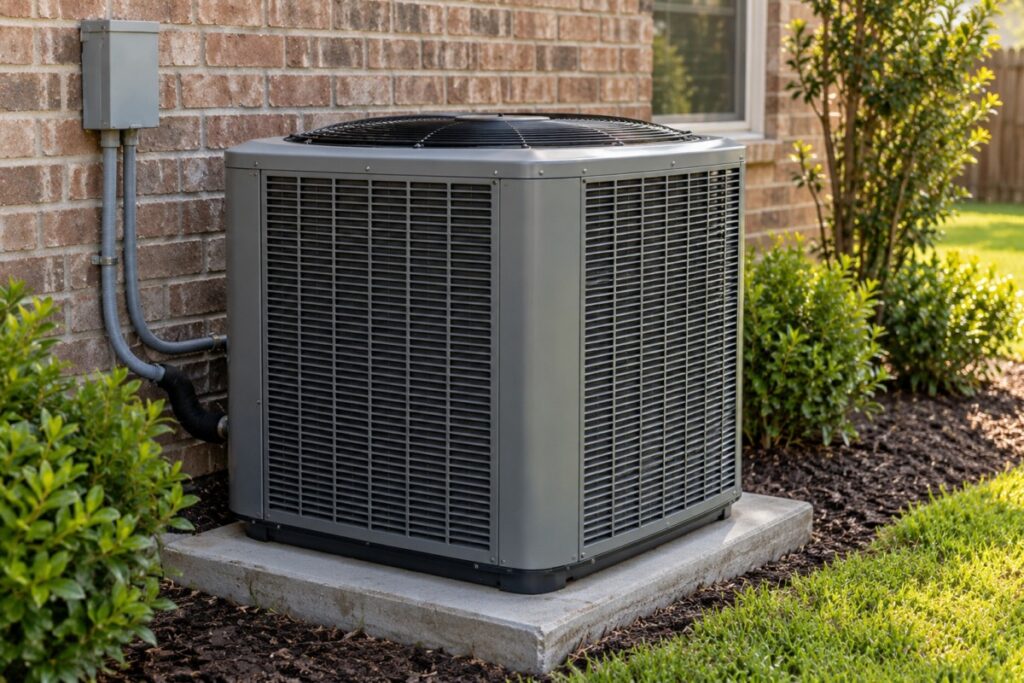
HVAC Repair vs. HVAC Replacement: What North Texas Homeowners Should Consider
The best decision comes from looking at the system as a whole. Age matters, but so do repair history, efficiency, comfort, and the expected cost of keeping the equipment running.
How Old Is Too Old for an HVAC System?
An air conditioner or heat pump that is more than 10 years old deserves a closer look before investing in another major repair. ENERGY STAR recommends considering replacement when an air conditioner or heat pump is over 10 years old, especially when the equipment also needs frequent repairs or energy bills are increasing.
Age alone does not mean an HVAC system must be replaced. A well-maintained system that still cools effectively and has only a minor problem may be a good candidate for repair.
However, replacement becomes more compelling when an older unit has several problems at once, including:
- Frequent or increasingly expensive repairs
- Uneven heating or cooling
- Rising electricity consumption
- Excessive cycling or unusual operating noise
- Difficulty maintaining the thermostat setting
- Major component failure
Regular air conditioner maintenance and HVAC system maintenance can help identify developing problems before they turn into emergency AC service calls.
When Does HVAC Repair Make More Sense?
HVAC repair generally makes sense when the problem is limited, the equipment is otherwise dependable, and the repair is likely to provide several more years of useful service.
For example, repairing a relatively new system with a straightforward electrical, drainage, thermostat, or airflow problem may offer far better value than replacing the entire unit.
Before authorizing a repair, ask your HVAC technician:
- What exactly failed?
- Is the rest of the system in good condition?
- Is this problem likely to happen again?
- Have other major components begun showing wear?
- How does the repair cost compare with replacement?
Do not assume that every comfort problem requires new equipment. ENERGY STAR notes that duct leakage, inadequate insulation, air leaks, and other issues can contribute to uncomfortable rooms or inefficient operation. Addressing those problems may improve performance without requiring complete HVAC installation.
When Is HVAC Replacement the Better Investment?
Replacement becomes more attractive when you are spending repeatedly on an aging, inefficient, or unreliable HVAC system. One repair might be reasonable, but repeated repairs can mean you are investing money in equipment that is approaching the end of its practical service life.
Consider replacement when several of these conditions apply:
- The air conditioner or heat pump is over 10 years old.
- Breakdowns have become frequent.
- A major component requires an expensive repair.
- Energy bills have increased without another clear explanation.
- The HVAC system runs for long periods but does not keep the home comfortable.
- Certain rooms consistently remain too hot or too cold.
- You are concerned about another breakdown during extreme weather.
Efficiency can also affect the calculation. The U.S. Department of Energy’s Federal Energy Management Program uses an average residential central air conditioner life of 18 years in its life-cycle cost analysis. Its Texas hot-humid example also demonstrates that higher-efficiency equipment can substantially reduce lifetime energy use compared with less-efficient models, although actual homeowner savings depend on the equipment, usage, installation, electricity rates, and home.
Why Does North Texas Weather Matter?
North Texas puts substantial seasonal demand on air conditioning equipment, so HVAC reliability has real practical value. National Weather Service climate normals for Dallas/Fort Worth show normal high temperatures of 91.5°F in June, 95.6°F in July, and 95.8°F in August. The average annual extreme maximum is above 103°F.
From Dallas and Fort Worth to surrounding North Texas communities, an aging air conditioner may spend long stretches operating under demanding conditions. A system that seems “good enough” during spring can reveal serious performance problems when prolonged summer heat arrives.
That makes spring HVAC maintenance especially valuable. It gives homeowners an opportunity to identify worn components, airflow issues, and declining performance before peak cooling season.
If your older system already struggled last summer, required emergency AC service, or could not maintain comfortable indoor temperatures, consider having it evaluated before the next major heat wave.
Should Energy Efficiency Affect the Repair-or-Replace Decision?
Yes, but efficiency should be considered alongside repair cost, system condition, and installation quality. A more efficient replacement can reduce energy consumption, but simply buying new equipment does not guarantee maximum performance.
The Department of Energy notes that SEER2 is the current cooling-efficiency metric used for central air conditioners and heat pumps. Higher-efficiency equipment generally requires less energy to provide the same cooling output.
Installation quality matters just as much. ENERGY STAR reports that improper HVAC installation can reduce system efficiency by as much as 30 percent.
A professional air conditioning installation should therefore include proper equipment sizing and attention to airflow, refrigerant charge, ductwork, and other factors that influence real-world performance.
Frequently Asked Questions About HVAC Repair and Replacement
Is it worth repairing a 10-year-old HVAC system?
It can be. A minor HVAC repair may make sense if the system has been dependable and remains efficient, but ENERGY STAR recommends evaluating air conditioners and heat pumps over 10 years old for possible replacement.
How do I know if my HVAC repair is too expensive?
Consider more than the repair invoice. Compare the repair cost with the system’s age, condition, efficiency, previous repair expenses, and likelihood of another major breakdown.
Should I replace my HVAC system before it completely fails?
Replacing proactively can be beneficial when an aging system is already unreliable or inefficient. Planning ahead also gives you more time to compare HVAC installation options instead of making a rushed decision during an emergency breakdown.
Can HVAC maintenance help me avoid replacement?
Regular HVAC maintenance can improve performance and identify problems early, but it cannot reverse normal equipment wear. ENERGY STAR recommends annual servicing to help cooling systems operate efficiently.
Ready to Decide Between HVAC Repair and Replacement?
If your heating and cooling system is becoming unreliable, Texas AC Services can help you understand your options. A professional evaluation can determine whether HVAC repair will provide good value or whether replacing aging equipment is the smarter long-term solution for your North Texas home.
Ready for dependable home comfort? Contact Texas AC Services to schedule HVAC service and find out whether repair or replacement is right for your system.