When Is the Best Time of Year for AC Installation in Texas?
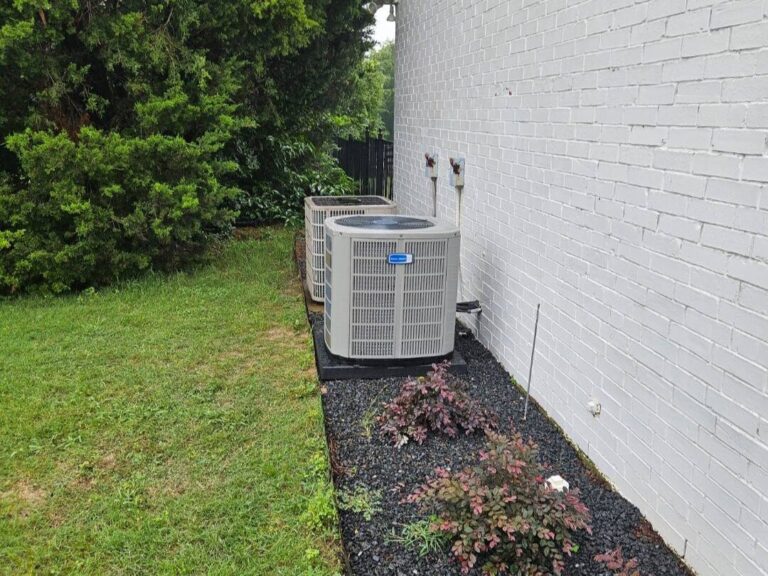
The best time of year for AC installation in Texas is typically spring (March through May) or fall (September through November). These seasons usually offer milder temperatures, greater scheduling availability, and the opportunity to replace an aging system before extreme summer heat arrives. If your current unit is failing, however, replacing it immediately is the best choice regardless of the season.
Texas summers are demanding on air conditioning systems, making proactive planning one of the smartest investments a homeowner can make. At Texas AC Services, we help homeowners choose the right cooling system based on their home’s size, energy efficiency goals, and long-term comfort needs. Our experienced technicians focus on quality installations that maximize performance, reduce energy costs, and provide reliable cooling for years to come. Whether you’re replacing an aging unit or installing a system in a new home, our team is committed to honest recommendations, expert workmanship, and exceptional customer service every step of the way.
Why Spring and Fall Are the Smartest Seasons for AC Installation
Choosing the right season to install a new air conditioner can save time, money, and frustration. While a new system can be installed at any time of year, spring and fall offer several advantages.
Why is spring considered the best time to install a new AC?
Spring gives homeowners the opportunity to prepare before temperatures soar.
Benefits include:
- Greater appointment availability before the summer rush
- Less chance of emergency replacement during a heat wave
- Time to compare equipment and financing options
- Comfortable weather while installation is completed
Many HVAC contractors experience their busiest schedules during the hottest months, making early planning beneficial. Industry experts consistently recommend replacing aging systems before peak cooling season begins.
Is fall also a good time for AC replacement?
Yes. Fall is another excellent time because cooling demand has decreased.
Homeowners often benefit from:
- Flexible installation schedules
- Seasonal promotions from manufacturers or contractors
- Plenty of time to prepare for the following summer
- Reduced risk of unexpected breakdowns during peak heat
If your system survived another Texas summer but struggled to keep up, fall is an ideal time to replace it before the next cooling season.
Why should you avoid waiting until summer?
Summer replacements often happen because homeowners wait until the system completely fails.
During peak season you may experience:
- Longer wait times for installation
- Higher demand for technicians
- Fewer equipment choices due to inventory shortages
- Several uncomfortable days without reliable cooling
Replacing your system before an emergency allows you to make a thoughtful decision rather than a rushed one.
What Signs Mean You Should Replace Your AC Before Next Summer?
The season matters, but your equipment’s condition matters even more.
How old should an AC system be before replacement?
Most central air conditioning systems last approximately 15 to 20 years with proper maintenance. ENERGY STAR recommends having systems over 10 years old evaluated for efficiency if they are no longer providing reliable comfort.
You should consider replacement if your system:
- Is 15 years old or older
- Requires frequent repairs
- Produces inconsistent temperatures
- Struggles during hot afternoons
- Causes steadily increasing utility bills
- Uses outdated refrigerant
Replacing an aging unit before complete failure gives you more options and reduces stress.
How Does Installing a New AC Save Money?
A modern air conditioner does more than cool your home.
Lower energy consumption
Today’s high-efficiency systems are designed to use less electricity while maintaining consistent indoor comfort.
According to ENERGY STAR, heating and cooling account for nearly half of a home’s total energy use, making HVAC efficiency one of the biggest opportunities for reducing utility costs.
Improved comfort
New systems often provide:
- Better humidity control
- More even temperatures
- Quieter operation
- Improved indoor air quality
- Better compatibility with smart thermostats
Fewer repair expenses
Instead of paying for repeated repairs on an aging unit, homeowners often find that replacing the system provides greater long-term value.
What Should You Consider Before Installing a New Air Conditioner?
Not every system is the right fit for every home.
Before installation, your HVAC contractor should evaluate:
- Home size and cooling load
- Existing ductwork condition
- Insulation levels
- Energy efficiency goals
- Budget
- Desired comfort features
Proper sizing is one of the most important factors. An oversized unit may cool the house quickly but remove less humidity, while an undersized system can struggle during extreme Texas heat.
A professional load calculation helps ensure your new system delivers optimal performance.
Why Professional Installation Matters
Even the highest-quality equipment cannot perform properly if installed incorrectly.
Professional installation includes:
- Accurate system sizing
- Proper refrigerant charging
- Correct airflow adjustments
- Safe electrical connections
- Manufacturer warranty compliance
- Performance testing before completion
The U.S. Department of Energy and ENERGY STAR both emphasize that quality installation is just as important as choosing an efficient system.
Frequently Asked Questions
Should I replace my AC before it breaks?
Yes. Replacing an aging system before failure gives you time to compare equipment, schedule installation at your convenience, and avoid emergency service during the hottest part of the year.
How long does AC installation usually take?
Most residential AC installations are completed in one day, although larger homes or systems requiring ductwork modifications may take longer.
Is spring cheaper than summer for AC installation?
In many cases, yes. Spring and fall often have greater scheduling flexibility, and some contractors or manufacturers may offer seasonal promotions during slower periods.
Can a new AC reduce my electric bill?
Yes. A properly sized, professionally installed high-efficiency air conditioner can significantly reduce cooling costs compared to an older system, especially if your existing unit is more than 10 to 15 years old. According to ENERGY STAR, upgrading efficient heating and cooling equipment can meaningfully lower annual energy expenses.
Schedule Your AC Installation Before the Heat Arrives
Waiting until your air conditioner fails can leave you without comfort during the hottest days of the year. Planning your replacement during spring or fall gives you more options, less stress, and greater confidence that your home will stay cool when you need it most.
Ready for a new AC installation? Contact Texas AC Services today to schedule a professional consultation and find the right cooling solution for your home.